Moving Out This Summer? A Room-by-Room Cleanout Checklist

Summer is one of the busiest times to move. Between packing, paperwork, inspections, cleaning, and coordinating schedules, it is easy to leave the cleanout until the last minute. That can create problems fast, especially when you realize how much you do not want to pack, move, store, or take to the next place.
A cleanout-first approach helps you reduce what you pack, avoid moving items you no longer need, and handle bulky junk before it's too close to moving day. This room-by-room checklist is designed to help renters, homeowners, families, and downsizers make quick decisions about what to keep, donate, recycle, or remove.
If you are dealing with heavy furniture, basement clutter, garage overflow, old appliances, or items that will not fit in your car, professional
hauling and junk removal services can save time and keep your move on schedule.
Before You Start: The 20-Minute Setup
Before you start pulling items out of cabinets and closets, take 20 minutes to set up a simple system. The goal is not to deep-organize your home. The goal is to remove what you do not want before you pack.
Gather:
- Contractor bags
- A donation box or bin
- A marker and labels
- A “keep” bin for items that belong in another room
- Gloves if you are working in a garage, basement, attic, or shed
Create four piles:
- Keep: Items you use and plan to move
- Donate: Items in good, usable condition
- Recycle: Cardboard, paper, cans, bottles, and approved electronics are accepted
- Junk Removal: Broken, bulky, heavy, outdated, or unwanted items that are not worth moving
If you are still deciding where to start when
decluttering your home before a move, focus on anything you know you do not want in the next home. Decluttering before packing is usually faster than packing everything and sorting later.
A helpful rule: if an item is not useful, valuable, sentimental, or worth the cost of moving, remove it now.
Room-by-Room Cleanout Checklist
Use this checklist as you move through your home. Start with areas that hold the most clutter or the biggest items, such as the garage, basement, kitchen, and storage spaces.
Kitchen
The kitchen often has more duplicate, expired, and rarely used items than people realize. Cleaning it out early can reduce the number of boxes you need to pack.
Check for:
- Expired pantry items
- Stale spices
- Duplicate utensils
- Chipped dishes, mugs, and bowls
- Extra pots, pans, and lids
- Plastic containers without matching lids
- Old water bottles and travel mugs
- Small appliances you never use
- Broken chairs, stools, or kitchen carts
- Worn-out trash cans or storage bins
Small appliances are common move-out clutter. If you have a blender, toaster oven, coffee maker, air fryer, or microwave that you do not use, decide whether it is worth taking. If it works and is clean, donation may be an option. If it is broken, missing parts, or has been sitting unused for years, it may belong in the junk removal pile.
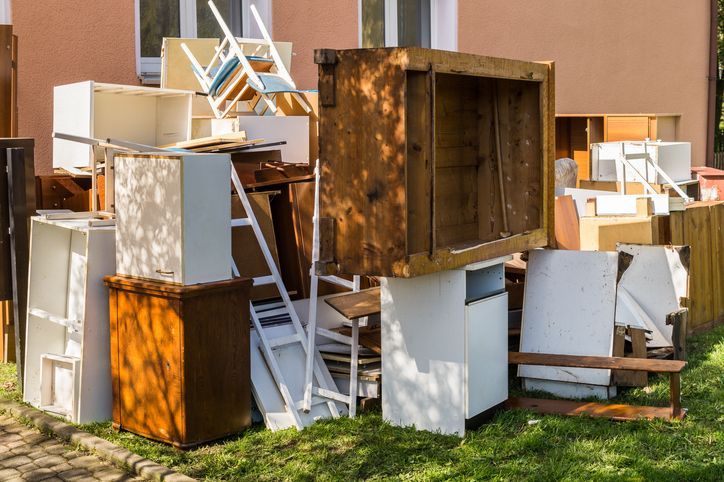
Bulky kitchen items can also slow you down. A table, chairs, a baker’s rack, a rolling island, or bar stools can be difficult to move without help. If you are not taking them, scheduling a haul is often easier than trying to fit them into a car.
Living Room / Family Room
The living room is where many people keep large items they no longer want but have not yet dealt with. These items can be difficult to move, especially during a rushed summer move.
Check for:
- Old rugs
- Broken furniture
- Outdated entertainment centers
- The TV stands you are replacing
- Extra shelves
- Lamps that no longer work
- Storage bins full of miscellaneous clutter
- Worn-out recliners or side tables
- Decor you do not plan to use again
Large living room furniture can take up space in a truck and add to the time on moving day. If a couch, chair, cabinet, or entertainment center is not coming with you, remove it before the movers arrive or before you begin loading.
A simple rule: if it is heavy, awkward, or will not fit in your car, schedule a haul instead of saving it for the last day.
Bedrooms
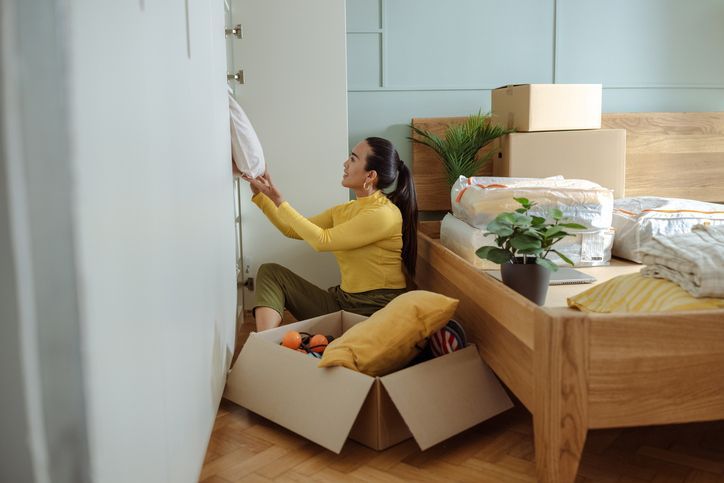
Bedrooms can seem easy to pack, but they often contain under-bed storage, old furniture, extra clothing, and items pushed into closets.
Check for:
- Dressers or nightstands you are replacing
- Broken bed frames
- Worn mattresses or box springs
- Under-bed clutter
- Old shoes
- Clothing that no longer fits
- Damaged hangers
- Extra bedding you do not use
- Storage bins that have not been opened in years
For clothing, use a quick rule. Donate items that are clean, wearable, and in good condition. Trash items that are stained, torn, worn out, or not usable.
Keep only what fits, what you wear, and what makes sense for your next home.
Pack last:
- Daily clothing
- Current shoes
- Toiletries
- Bedding
- Phone chargers
- Medications
- Work or school essentials
Remove now:
- Broken furniture
- Old mattresses that you are not moving
- Extra hangers
- Damaged storage bins
- Clothes you already know you will not wear
- Items stored under the bed that you forgot you owned
If you are downsizing, bedrooms are a good place to make practical decisions. A dresser that fits your current room may not work in the next one. Do not pay to move furniture that has no place to go.
Bathrooms
Bathroom cleanouts should be quick and simple. This is not the time for deep cleaning. Focus on removing expired, unused, or unwanted items before you pack.
Check for:
- Expired personal care products
- Old cosmetics
- Empty bottles
- Worn towels
- Broken hampers
- Unused organizers
- Old shelving
- Duplicate grooming tools
- Items stored under the sink
For medications, follow safe disposal guidance from your local pharmacy, municipality, or approved take-back program. Do not place medications in a pile for junk removal.
Bathrooms usually do not create much bulky junk, but old shelving units, cabinets, laundry hampers, and storage carts can be removed if they are not moving with you.
Kids’ Rooms / Playroom
Kids’ rooms and playrooms can take longer than expected because of small pieces, outgrown items, and bulky toys. Start these rooms early, especially if your move is close.
Check for:
- Broken toys
- Toys with missing pieces
- Outgrown clothing
- Old school supplies
- Damaged books
- Worn backpacks
- Extra bins and baskets
- Outgrown sports gear
- Bulky play equipment
- Old cribs, if disposing of
- Play kitchens, toy chests, and activity tables
Donations may work for toys, books, and gear that are clean, complete, and in good condition. Broken toys, damaged plastic items, and incomplete sets usually do not make sense to move.
Bulky kid items are time sinks. Play kitchens, old cribs, swings, toy storage units, and indoor climbing toys can be difficult to break down and transport. These are often strong candidates for junk removal if they are not being donated or passed along.
Laundry / Utility Room
Laundry and utility rooms often collect cleaning supplies, broken baskets, old shelving, and items that have no other place to go.
Check for:
- Broken hampers
- Old drying racks
- Empty detergent containers
- Unused laundry products
- Old shelving
- Damaged storage bins
- Worn brooms, mops, and buckets
- Unused chemicals
- Old appliances, if replacing
Use caution with chemicals, paint, fuels, pesticides, and similar materials. These may require special handling and may not be accepted with general junk. Check local disposal rules before placing them in a removal pile.
If you are replacing a washer, dryer, freezer, or other appliance, plan ahead. Appliances are heavy and can delay a cleanout if you wait until the last day.
Home Office
A home office can slow down packing because paper clutter takes time to sort. Use a simple system instead of reading every document in detail.
Check for:
- Old desks
- Broken office chairs
- Outdated printers
- Extra monitors
- Cords you cannot identify
- Empty boxes
- Old files
- Damaged bookshelves
- Office supplies you do not use
For paper clutter, create three categories:
- Keep: Important documents you need
- Shred: Sensitive papers you no longer need
- Recycle: Non-sensitive paper, envelopes, and outdated materials
Electronics may need special recycling or disposal. If you have outdated computers, printers, monitors, or cables, separate them from general household junk and confirm the best disposal option.
Large desks, filing cabinets, bookshelves, and office chairs are common items for move-out removal. If they are not worth moving, schedule them before the room becomes packed with boxes.
Garage
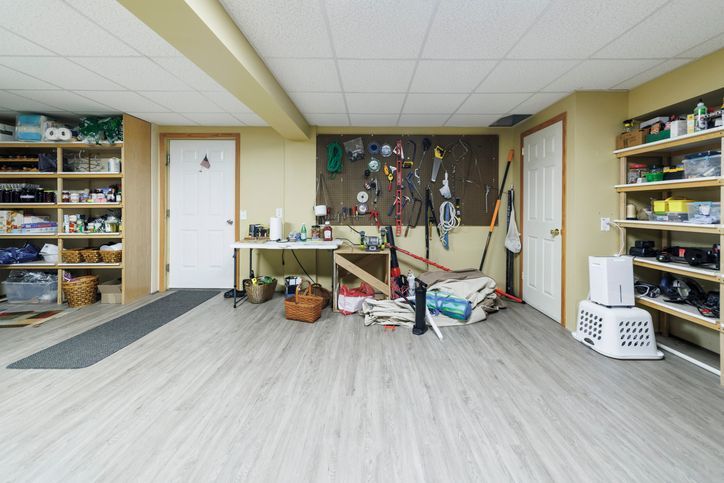
The garage usually offers the biggest return during a move-out cleanout. It holds large, dirty, awkward, and forgotten items that are easy to ignore until moving week.
Check for:
- Broken tools
- Scrap piles
- Old yard toys
- Rusted shelving
- Damaged ladders
- Leftover lumber
- Old tile, flooring, or remodeling materials
- Boxes from past projects
- Unused sports equipment
- Old coolers
- Broken bikes
- Mowers or outdoor equipment you are not taking
The garage can also contain items that require special disposal, such as paint, oil, fuel, batteries, and chemicals. Do not mix these with general junk. Set them aside and check local disposal requirements.
If your garage is packed, do not wait until the day before your move. Clear bulky items first so you have space to stage packed boxes, tools, and items you actually plan to take.
Basement
Basements can create last-minute surprises. They often contain heavy furniture, mystery boxes, water-damaged items, old exercise equipment, and things that have not been touched in years.
Check for:
- Water-damaged items
- Old furniture
- Boxes you have not opened in years
- Broken decorations
- Old rugs
- Unused exercise equipment
- Extra shelving
- Damaged storage bins
- Outdated electronics
- Items left from previous renovations
Be careful with moldy, wet, or damaged items. Use gloves and avoid disturbing materials that may require special handling.
Basements are one of the best places to schedule junk removal early. Carrying heavy items upstairs takes time, and it is much easier to deal with them before the pressure of moving day sets in.
Attic / Storage Areas
Attics and storage spaces can be hot, dusty, and difficult to work in during summer. Keep this area focused. Do not overdo it if heat, dust, or insulation makes the space uncomfortable.
Check for:
- Holiday decor you never use
- Empty boxes
- Old suitcases
- Damaged keepsakes
- Broken fans
- Unused bins
- Outgrown seasonal items
- Old lamps
- Extra bedding or pillows
- Items you forgot were stored there
Work in short sessions and avoid pulling everything down without a plan. If you already know you will not move certain boxes or bulky storage items, place them directly in the junk removal pile.
Outdoor Areas / Shed
Outdoor items are easy to forget during a summer move because they are not part of daily indoor packing. Walk the yard, patio, porch, and shed before moving week.
Check for:
- Broken patio furniture
- Old grills
- Rusted garden tools
- Damaged planters
- Yard debris piles
- Unused hoses
- Broken umbrellas
- Old outdoor toys
- Damaged storage bins
- Leftover materials from yard projects
Outdoor items can be bulky and dirty, which makes them harder to load into a personal vehicle. If you are not taking them, remove them before the final walkthrough, showing, or inspection.
What to Get Rid of First
When time is limited, start with the items that will make the biggest difference. These are usually the items that take up the most space, require the most effort, or are least likely to be worth moving.
Bulky furniture you are not taking.
Couches, dressers, tables, entertainment centers, mattresses, and recliners take up truck space and slow down moving day.
Broken or unused large items
Old TVs, shelving, exercise equipment, appliances, and damaged storage units are often not worth moving.
Garage and basement overflow
These areas tend to hide the most forgotten clutter and the heaviest items.
Duplicates
Extra chairs, lamps, kitchen items, tools, and bins can be reduced quickly.
“Maybe someday” items
If you have not used it in years and do not have a specific plan for it in the next home, let it go.
Donation vs Junk Removal: How to Decide Fast
Not everything belongs in the trash. Some items can be donated, passed along, recycled, or removed by a junk hauling team. The key is deciding quickly so you do not lose time.
Choose donation when:
- The item is in good condition.
- It is clean and usable.
- It is not broken or missing major parts.
- You have time to drop it off or schedule a pickup.
- The donation center accepts that item.
Choose junk removal when:
- The item is broken
- The item is heavy or bulky
- You are on a tight deadline
- You have too much volume for your vehicle
- You would need multiple trips
- The item is awkward to carry
- You are clearing a garage, basement, attic, or whole room
Donation can be a great option, but it still requires time, transportation, and acceptance from the donation location. If your move-out date is close, junk removal may be the more practical choice for items that are not easy to donate or transport.
When to Schedule Junk Removal Before a Move
For a summer move, schedule junk removal one to two weeks before moving day, when possible. Summer calendars can fill quickly, especially near the end of the month when many leases end, and closings are scheduled.
Schedule sooner if:
- You are staging your home
- You have listing photos coming up
- You have a landlord inspection
- You are preparing for a final walkthrough
- You are cleaning out a basement, garage, or attic
- You have large furniture or appliances to remove
- You are downsizing and know you will have extra volume
A removal appointment before packing is finished can still be useful. It clears space, reduces visual clutter, and helps you focus on what is actually moving with you.
When
preparing for junk removal, group items together if you can, clear a safe path, and separate anything that may need special disposal.
Book Your Move-Out Cleanout
A move-out cleanout does not have to wait until the night before moving day. The earlier you remove unwanted furniture, clutter, garage items, basement junk, and bulky pieces, the easier the rest of the move becomes.
If you are moving this summer and need help clearing out unwanted items, A-1 Hauling can help with hauling and junk removal services for move-out cleanouts, downsizing, garage cleanouts, basement cleanouts, and bulky-item removal.
Call, book online, or request a quote to schedule your move-out cleanout. One appointment can help clear the items you do not want to pack, move, or leave behind.
Author: Ed Wilkins
Ed Wilkins is the founder and owner of A-1 Hauling, a company celebrated for its integrity and dedication to providing top-notch hauling services. With a foundation built on honesty, trustworthiness, and hard work, Ed and his team have earned a reputation for delivering safe, gentle, and stress-free services to their clients.