Preparing Your Property for Winter: Outdoor Items You Should Remove Before Cold Weather Arrives
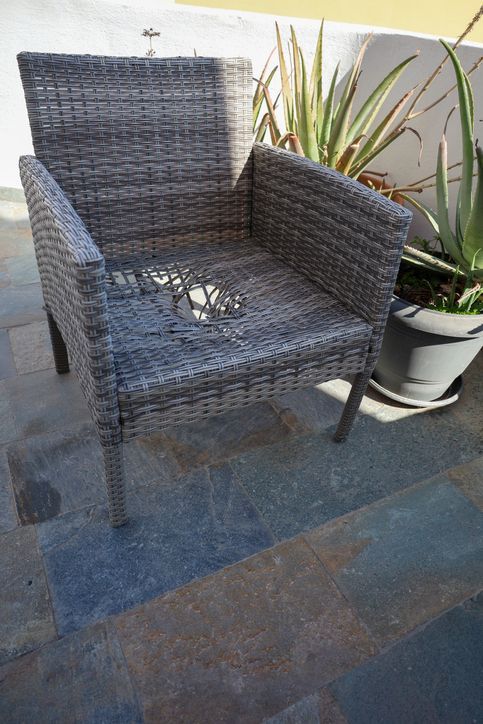
Getting your property prepared for winter involves more than putting away patio cushions and checking your outdoor faucets. It's also a good time to clear out your yard, patio, shed, and garage of items you no longer need.
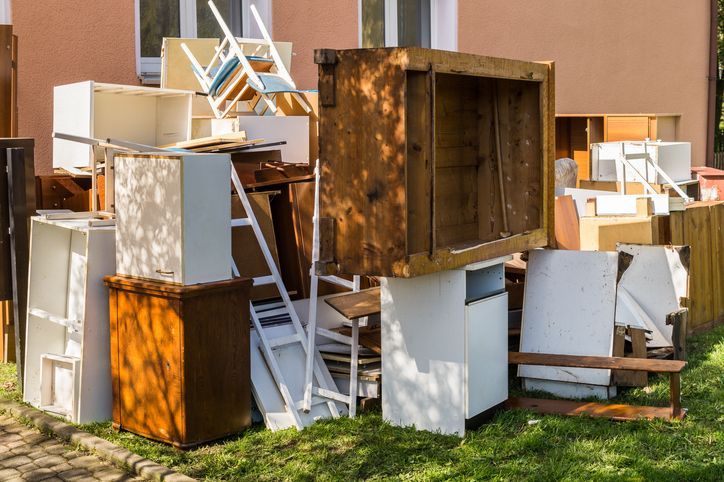
Broken furniture, unused outdoor toys, leftover building materials, and other clutter can build up during the warmer months. Once temperatures drop and snow arrives, those same items can become harder to move, damage the surrounding lawn, or get in the way of routine winter maintenance.
Fall junk removal helps homeowners clear unwanted outdoor items before cold weather makes cleanup more difficult. Clearing clutter now frees up storage space, keeps important areas accessible, and keeps you from dealing with unnecessary junk in the middle of winter.
Here's what to look for around your property and when it makes sense to consider professional hauling.
Why Fall Is a Good Time to Clear Outdoor Clutter
Fall offers a practical opportunity to clean up outdoor areas while the weather is still manageable. Once snow and ice arrive, items left outside may get wet, freeze to the ground, or get buried under snow.
Clearing these items early also makes it easier to prepare your property for winter maintenance. For example, removing unused furniture from a walkway gives you more room to shovel snow. Clearing scrap materials from beside a garage makes the area easier to access. Cleaning out a crowded shed creates space for equipment you'll need during the colder months.
For Pittsburgh-area homeowners, planning helps because winter weather can make outdoor cleanup less convenient. If you're considering a larger seasonal cleanup, our guide to the best times for junk removal in Pittsburgh explains how different seasons can affect your plans.
Outdoor Items to Deal With Before Winter
You don't need to empty your entire yard or shed before winter. The goal is to identify items that are broken, no longer useful, taking up unnecessary space, or unlikely to hold up well when left outside.
A few common categories are worth checking.
Broken Patio Furniture and Outdoor Accessories
Patio furniture gets plenty of use during spring and summer. By fall, some pieces may be showing their age.
Check chairs, tables, benches, and other outdoor furniture for cracked frames, broken supports, sharp edges, or severe deterioration. If a piece is no longer safe or practical to use, storing it for another winter may only delay the decision to get rid of it.
Outdoor accessories can also accumulate. Damaged umbrellas, broken planters, worn-out storage containers, and unusable decorations are all worth sorting through.
Keep furniture that's still in good condition and store it according to the manufacturer's recommendations. Set aside broken or unwanted pieces for appropriate disposal or hauling.
Old Outdoor Toys and Play Equipment
Children's outdoor toys often end up scattered throughout yards, patios, and garages. Small plastic toys, damaged ride-on vehicles, broken playsets, and unused sports equipment can take up valuable space, especially when they haven't been used in months.
Before winter, inspect these items for cracked plastic, rust, missing parts, or other damage that may make them unsafe to use.
Functional toys and equipment may be worth donating or passing along. Remove broken or unusable items through the appropriate waste or recycling channel.
Larger play equipment may require additional planning, particularly if it needs to be disassembled before removal.
Leftover Wood, Scrap Metal, and Building Materials
Outdoor repairs and home improvement projects often leave behind materials that homeowners intend to deal with later.
You might have a stack of old fence boards beside the shed, leftover lumber from a deck repair, damaged landscape edging, or pieces of scrap metal in the garage.
Leaving these materials exposed through winter can make them more difficult to handle. Wood may become wet or deteriorate further, while loose boards and metal pieces can create tripping or injury hazards.
Sort materials before moving them. Keep anything you realistically plan to use and store it properly. Check whether you can donate or recycle reusable materials.
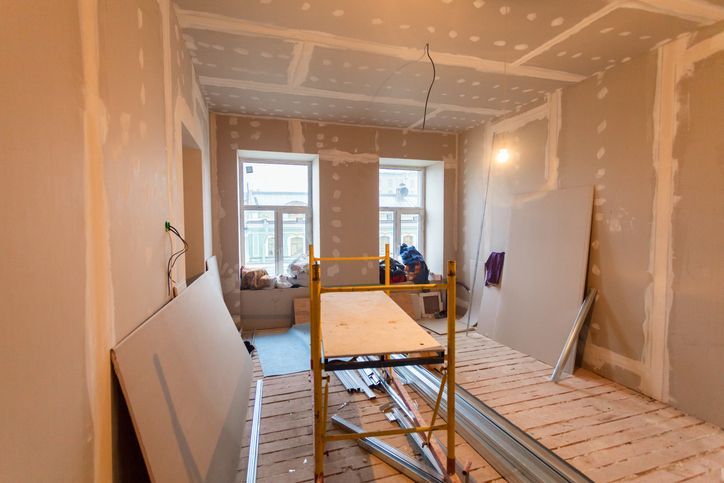
For larger piles of construction debris or renovation leftovers, professional hauling may be more practical than making several disposal trips yourself.
Hauling services can also simplify your home improvement project, especially when you're dealing with leftover materials and bulky debris.
Unused Lawn Equipment and Garden Supplies
Fall is also a good time to evaluate lawn and garden equipment. Old lawnmowers, broken wheelbarrows, damaged hoses, unusable garden tools, and empty planters often take up space long after they've stopped being useful.
Not everything needs to go. Equipment in working condition should be cleaned and stored properly if you plan to use it next season. However, equipment that cannot reasonably be repaired or that has already been replaced may no longer deserve valuable storage space.
Check disposal requirements before getting rid of powered equipment. Gasoline, oil, batteries, and similar materials may require separate handling and should not be placed into ordinary junk loads without confirming acceptance.
Shed and Garage Clutter
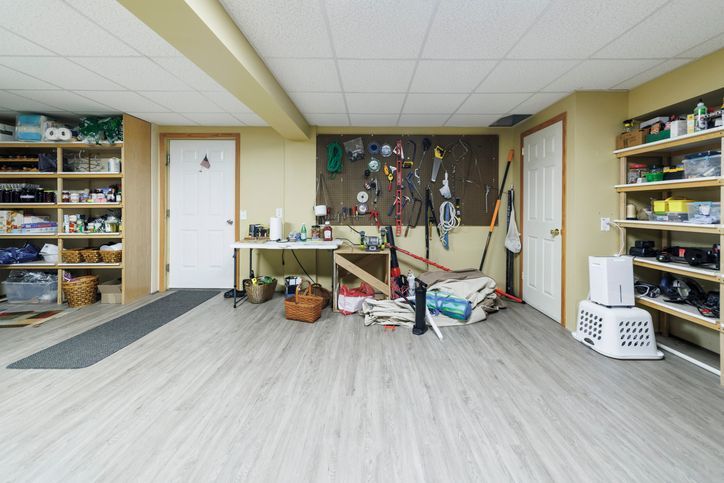
Sheds and garages tend to collect a little of everything. Old household items, broken shelving, empty boxes, unused gardening supplies, worn outdoor decorations, and miscellaneous materials can gradually fill the space.
Before winter, check what's stored along the floor, near doorways, and around equipment you'll need. Can you reach your snow shovel? Is there enough room to access the snowblower? Are frequently used tools buried behind items you haven't touched in years?
You don't need a complete garage makeover to improve the space. Removing unwanted items and reorganizing what remains can make winter equipment easier to reach.
If the cleanup involves heavy furniture, bulky equipment, or a large amount of accumulated junk, professional removal can reduce lifting and transportation.
How Outdoor Clutter Can Make Winter Maintenance Harder
Outdoor clutter isn't just an appearance issue. Items left in the wrong places can interfere with everyday winter tasks.
Snow Removal and Walkway Access
Snow removal is easier when walkways, driveways, steps, and frequently used access areas are clear.
Broken chairs, unused planters, scrap materials, and other objects left near these areas can become obstacles when you're shoveling or using snow removal equipment.
Once covered by snow, smaller items may also be difficult to see.
Removing them during fall helps keep these spaces more accessible when winter weather arrives.
Access to Outdoor Equipment and Storage
Winter maintenance often requires tools and equipment you haven't used in months.
When a garage or shed is packed with unwanted items, retrieving a snowblower, shovel, ice scraper, or bag of ice melt can become an unnecessary project.
Clearing out unused belongings now helps you organize winter supplies so you can access them.
Moisture and Deterioration
Items stored outdoors without suitable protection may be exposed to rain, snow, and repeated freezing and thawing.
These conditions can deteriorate some materials, including untreated wood, certain plastics, fabric cushions, and metal components prone to corrosion.
Removing already damaged items can prevent them from taking up space through another season. Clean and protect items worth keeping according to their storage requirements.
Yard Maintenance and Spring Cleanup
Clutter can also complicate the transition back to warmer weather.
Materials left on lawns may block access to parts of the yard or remain hidden beneath snow. When spring arrives, homeowners may have to move the same items before starting normal yard maintenance. Clearing unwanted clutter in fall means less to sort through when the snow melts.
What Should Stay and What Should Go?
Not every outdoor item needs to go before winter. Keep items that are functional, safe, and likely to be used again. Remove items that are beyond practical repair, no longer needed, or taking up space without purpose.
As you go through your yard, shed, and garage, consider four options:
- Keep and store: Seasonal furniture, tools, and equipment that are still useful and have an appropriate storage location.
- Repair: Items with manageable damage that you genuinely intend to fix.
- Donate or recycle: Usable belongings that someone else may need, or materials accepted by a suitable recycling program.
- Remove: Broken, unwanted, or unusable items you no longer want to keep.
If you're unsure about an item, ask yourself whether you've used it recently, whether it still works, and whether you have a realistic plan to use it again.
For items you decide to remove, check the relevant disposal requirements. Electronics, batteries, chemicals, fuels, and some types of equipment may need special handling. A practical fall cleanup is about making room for what matters, not getting rid of everything you own.
When to Consider Professional Outdoor Junk Removal
Some fall cleanup projects are easy to handle yourself. A few small, lightweight items may fit into your regular disposal plan, depending on local collection rules.
Other projects require more effort. Consider professional outdoor junk removal when you have several bulky items, heavy objects, or accumulated debris that would require multiple trips to transport.
Examples include large pieces of damaged patio furniture, broken equipment, piles of unwanted materials, or substantial garage and shed clutter.
Hiring a hauling service can be helpful when:
- Items are too heavy or awkward to move safely on your own.
- You don't have a suitable vehicle for transporting bulky junk.
- The clutter would require multiple trips to dispose of.
- You want to clear space before winter weather limits outdoor work.
Before scheduling a pickup, identify the items you want removed and ask the hauling company about any material restrictions, disassembly requirements, and access considerations.
A-1 Hauling provides residential junk removal and hauling services in the Pittsburgh area. The company assists with unwanted household items, furniture, garage cleanouts, and general seasonal junk removal.
For unusual materials, powered equipment, or specialized disposal needs, confirm what we can accept before scheduling service.
Get Your Property Ready for Winter With A-1 Hauling
Preparing your property for winter doesn't require a complete overhaul. Sometimes, removing a few large pieces of junk and clearing crowded storage areas can make seasonal maintenance more manageable.
Start by walking around your property and identifying the items you no longer need. Check the patio, yard, shed, and garage, paying particular attention to broken furniture, unused equipment, old toys, and leftover project materials.
Handle smaller items yourself when practical, and consider professional hauling for larger or more difficult jobs.
A-1 Hauling helps homeowners in Pittsburgh and surrounding service areas remove unwanted junk and reclaim usable space. Whether you're clearing out your garage or dealing with bulky items left outside, our team can discuss your hauling needs and provide a quote.
Ready to get started? Contact A-1 Hauling or call (724) 216-3496 to discuss your fall junk removal project before winter arrives.
Author: Ed Wilkins
Ed Wilkins is the founder and owner of A-1 Hauling, a company celebrated for its integrity and dedication to providing top-notch hauling services. With a foundation built on honesty, trustworthiness, and hard work, Ed and his team have earned a reputation for delivering safe, gentle, and stress-free services to their clients.